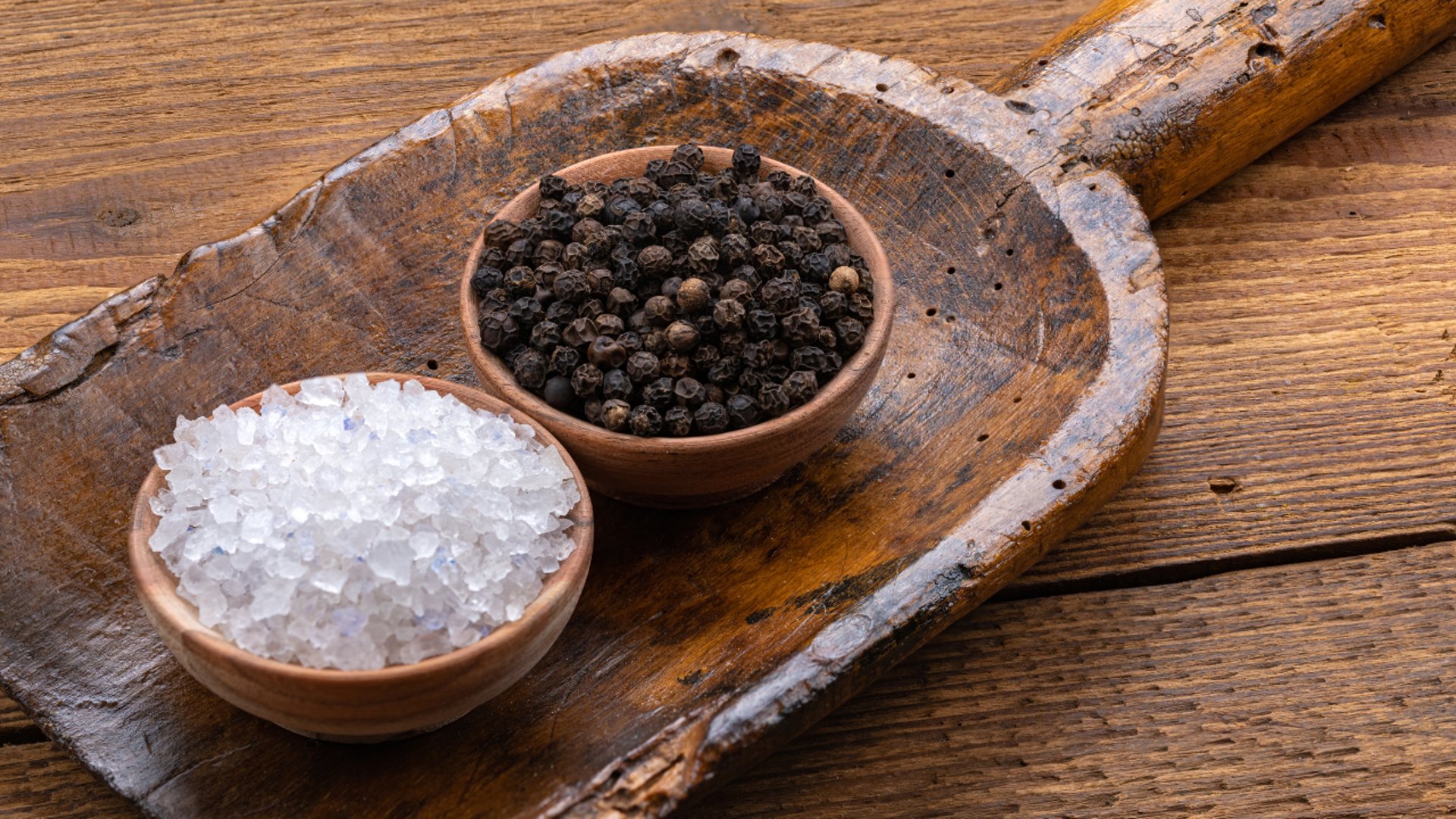
Unpacking the Role of Salt and Pepper in Cooking
Salt and pepper are essential seasonings, elevating dishes from dull to flavorful. While commonly paired on tables, each plays a unique and vital role in cooking traditions.
2/19/20263 min read
Salt in Ancient Civilizations
Salt and pepper are the unsung heroes of the kitchen—two simple seasonings that can transform a dish from bland to brilliant. Though they often appear side by side on every dining table, their roles in cooking are distinct, powerful, and deeply rooted in culinary tradition.
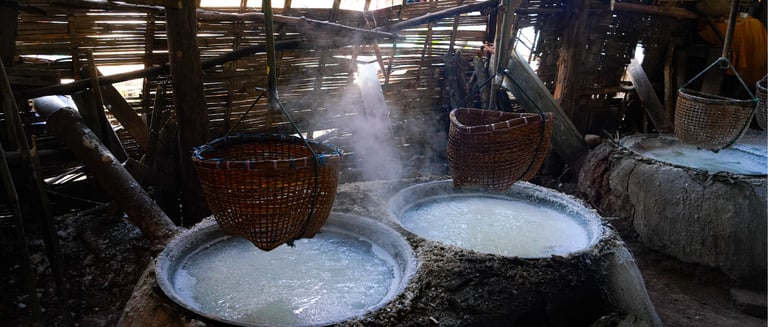
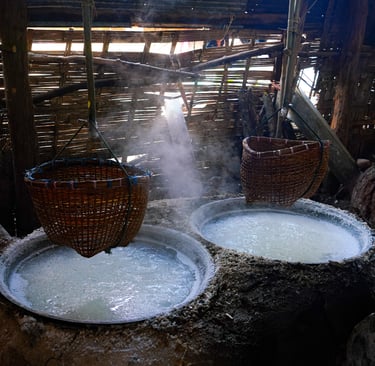
As early as 6050 BC, salt played an integral role in the daily life and rituals of ancient cultures. Notably, societies such as the Egyptians and Phoenicians incorporated salt into their customs and traditions, highlighting its significance beyond mere culinary use.
Chemically, salt is sodium chloride (NaCl), essential for human and animal health and widely used in industry. Its importance spans from biology to manufacturing.
The Science and Magic of Salt
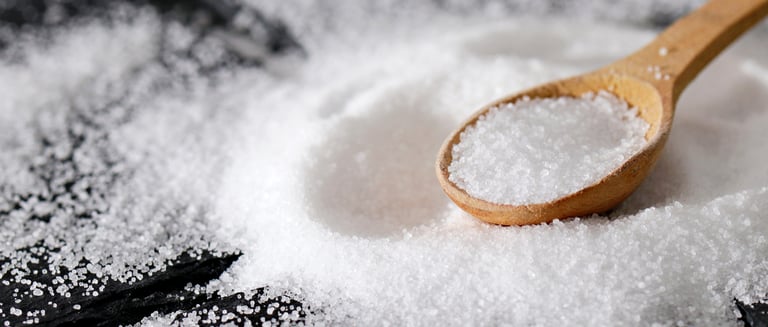
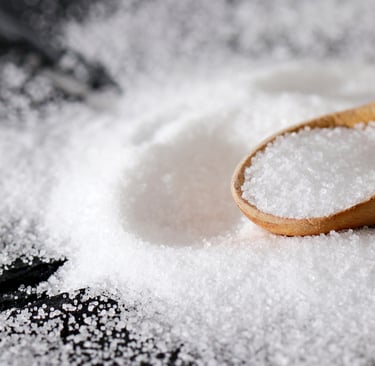
Salt is more than just a flavor enhancer; it’s a fundamental building block of taste. It amplifies natural flavors, balances sweetness, and reduces bitterness. When used correctly, salt doesn’t make food taste salty, it makes it taste more like itself. A pinch of salt in a tomato sauce, for example, brings out the fruit’s natural sweetness and depth.
Beyond flavor, salt also plays a crucial role in texture and preservation. In baking, it strengthens gluten, giving bread structure. In meats, it draws out moisture, helping to create a crisp crust when seared. Salt curing and brining have been used for centuries to preserve food, a testament to its versatility and importance.
Timing matters, too. Salting early allows flavors to penetrate deeply, while salting at the end enhances surface flavor. Understanding when and how to salt is one of the marks of a skilled cook.
The Subtle Power of Pepper


Origins and Spread of Black Pepper
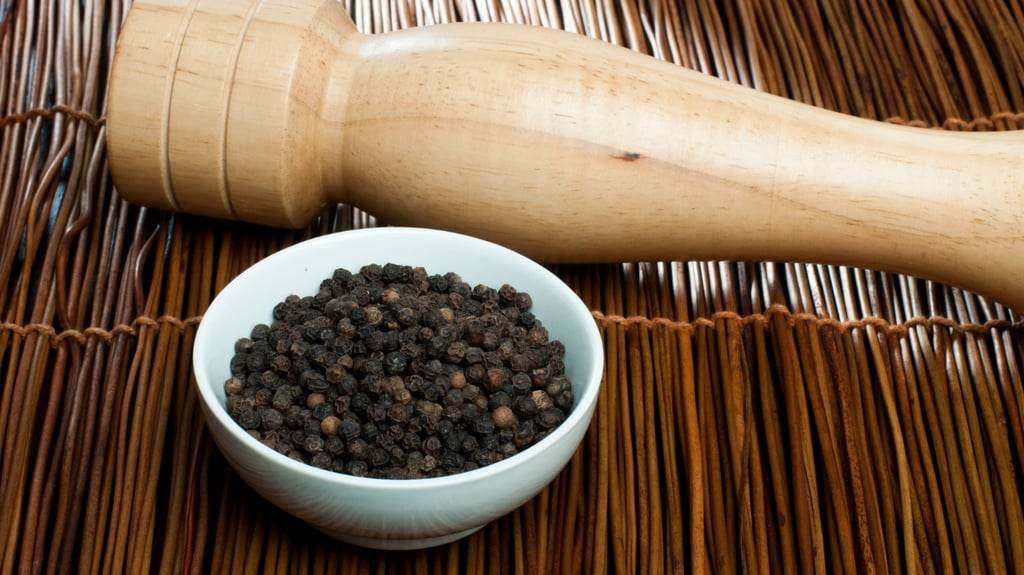
Pepper, often paired with salt, brings complexity and warmth. Black pepper adds a sharp, earthy heat that complements both savory and sweet dishes. White pepper, milder and slightly musky, is favored in light-colored sauces and soups where black specks might distract. Green and pink peppercorns offer floral and fruity notes, expanding the flavor palette even further
Unlike salt, pepper doesn’t enhance flavor—it adds its own. It introduces a layer of spice that can elevate a dish’s aroma and depth. Freshly cracked pepper is especially potent, as grinding releases essential oils that quickly lose their intensity once exposed to air.
Black pepper (Piper nigrum) originates from South and Southeast Asia. The plant is particularly abundant in the tropical areas of India, where its cultivation was first established.
Thousands of years ago, India became the center of black pepper cultivation. Over time, the practice of growing pepper expanded beyond India, reaching the major Indonesian islands. This spread was facilitated by early trade networks that connected Asia’s diverse populations and cultures.
Finding the Balance
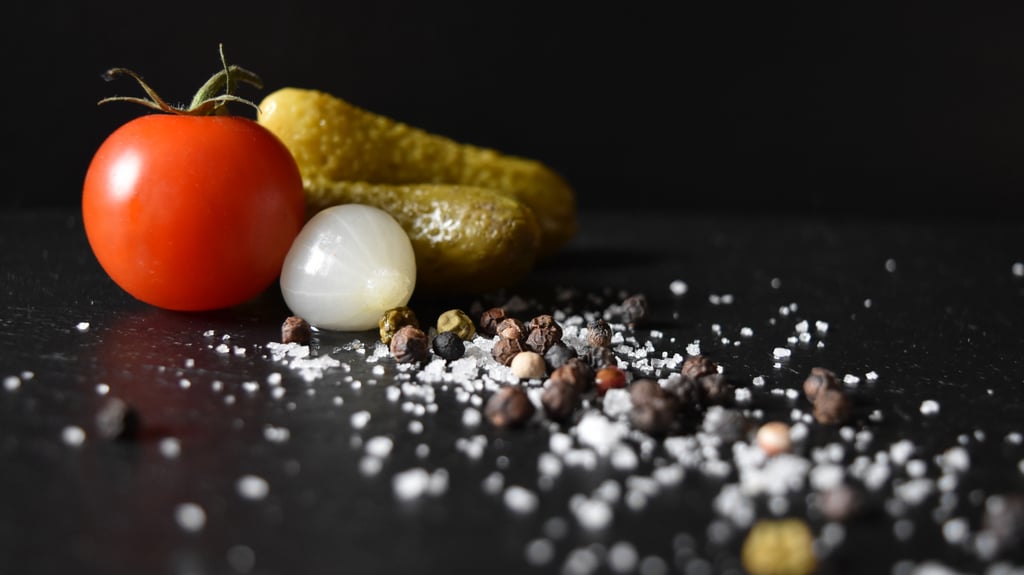
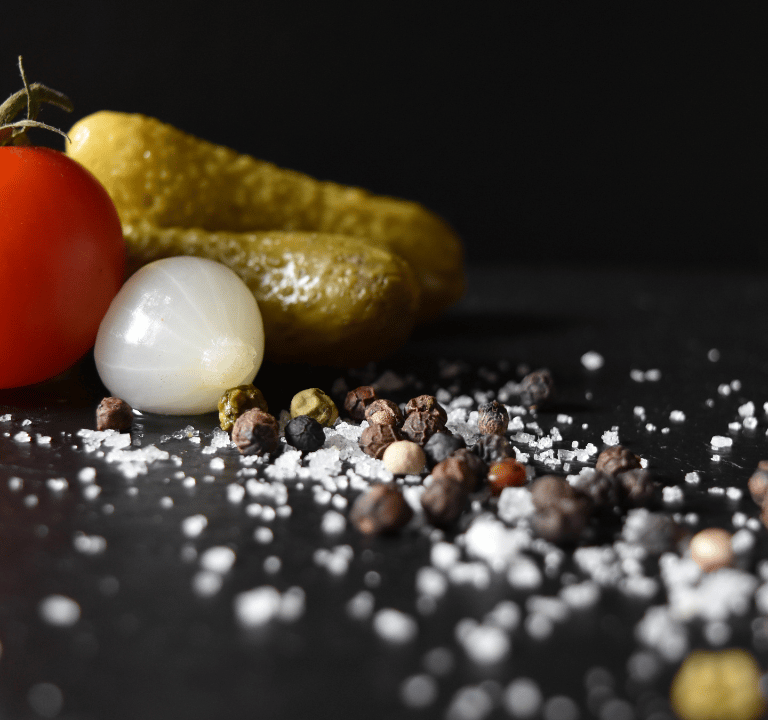
The relationship between salt and pepper reflects the pursuit of culinary harmony. Salt serves to accentuate flavors, while pepper provides definition. Used collectively, these elements establish balance and contrast, elevating even simple ingredients. Effective seasoning requires moderation; excessive salt can overpower, and too much pepper may dominate. Skilled chefs continually taste and refine their dishes, ensuring the seasoning supports a cohesive and well-rounded experience.
Beyond the Basics
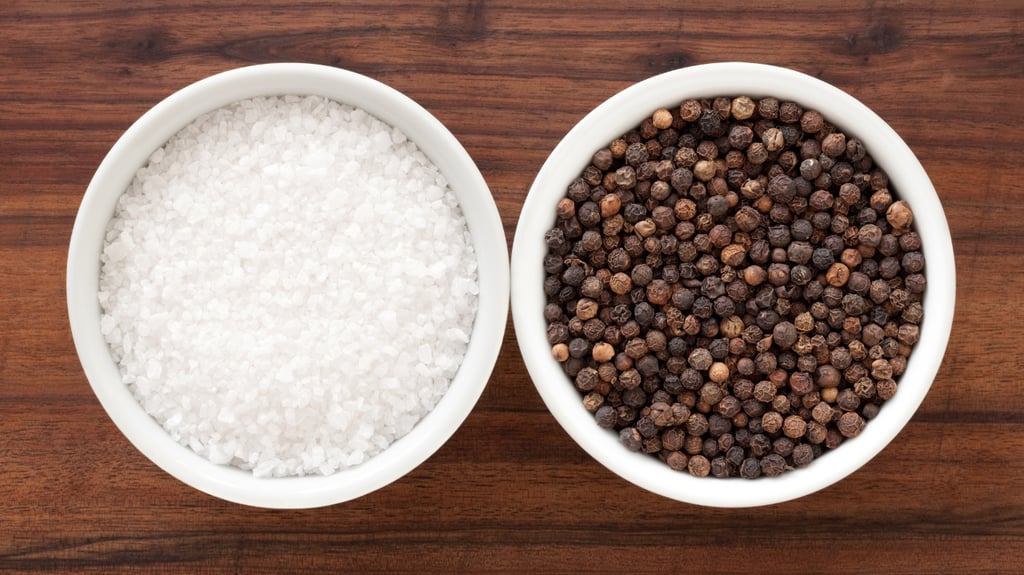
While salt and pepper are staples, exploring their variations can open new dimensions in cooking. Sea salt, Himalayan pink salt, and smoked salt each bring unique textures and flavors. Specialty peppers like Tellicherry or Sichuan add distinct aromas and sensations.
By experimenting with salt and pepper—whether exploring different types, adjusting timing, or finding the right balance, you can transform even the most basic ingredients into memorable meals. Careful attention to these seasonings brings out unique flavors and textures, making every dish more satisfying and nuanced. Experimenting with these can elevate even the simplest dishes.
Finally
Salt and pepper are essential ingredients whose significance surpasses their commonplace appearance. They serve as fundamental components of flavor, providing a consistent base for culinary excellence. Effective utilization of these seasonings requires a reasonable understanding of balance and timing, as well as an appreciation for the role they play in enhancing the overall quality of dishes. So, head to the kitchen and grab the salt and pepper mills and create something flavorful and memorable. You got this!
Acaiguy Cooks
Explore recipes and tips for home cooking.
© 2026. All rights reserved.
Questions, comments, suggestions? We would like to hear from you!