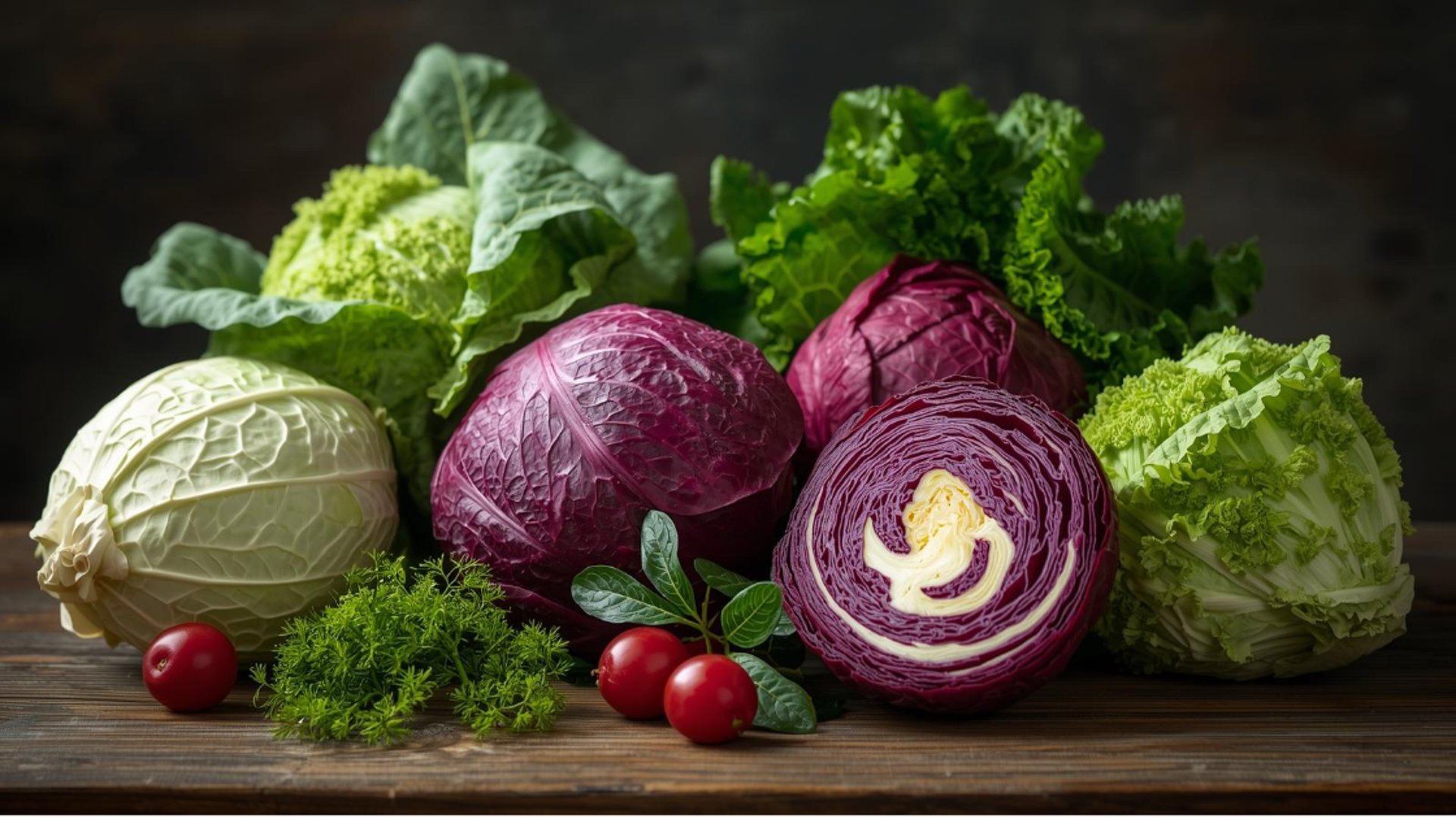
The Many Faces of Cabbage: A Versatile Kitchen Essential
Cabbage is often over-looked for trendier greens, but it's a delicious, versatile, affordable, and nutritious vegetable. Its many varieties work well in salads, stews, and more, making it a valuable kitchen staple.
1/13/20265 min read
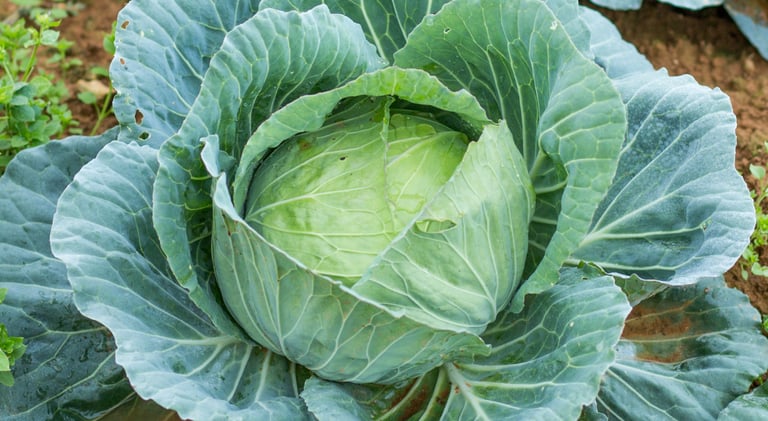
Cabbage is one of those humble vegetables that quietly sits in the “produce” aisle, often overlooked in favor of flashier greens. Yet, this leafy powerhouse deserves far more attention. With its wide range of varieties, textures, and flavors, cabbage can transform into countless dishes—from crisp salads to hearty stews. Its versatility, affordability, and nutritional value make it a true kitchen essential.
The Main Types of Cabbage
Green Cabbage
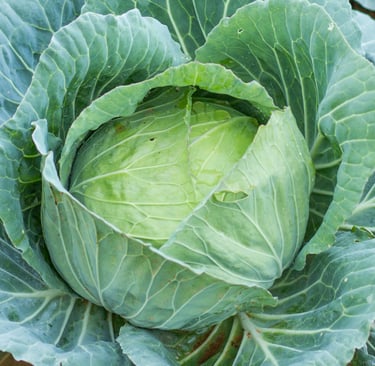
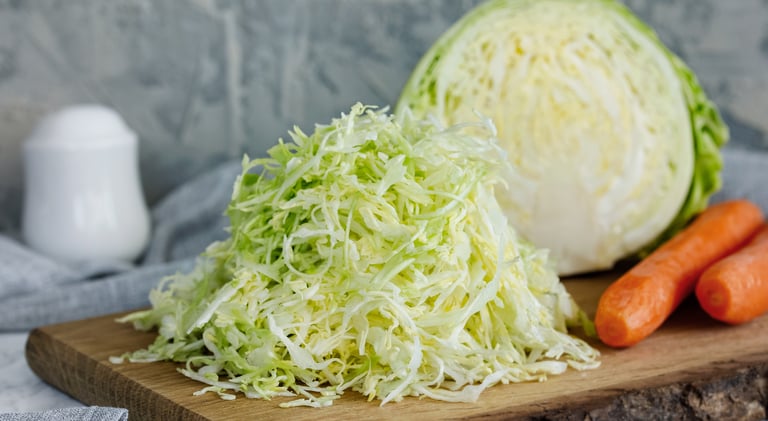
The most common variety, green cabbage has smooth, tightly packed leaves and a mild, slightly peppery flavor. It’s perfect for coleslaw, stir-fries, and soups. When cooked, it softens beautifully, absorbing flavors from sauces and seasonings.
Red Cabbage
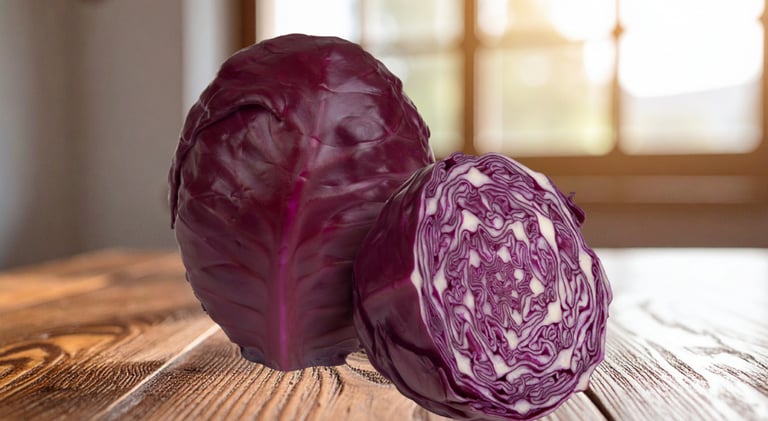
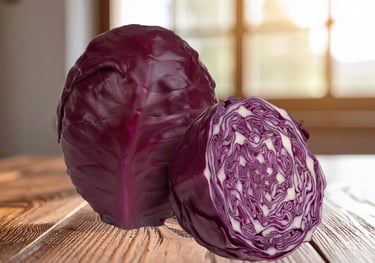
Vibrant and slightly sweeter than its green counterpart, red cabbage adds color and crunch to salads and slaws. It also holds up well when braised or pickled, turning a deep magenta hue that brightens any plate. Its antioxidants, particularly anthocyanins, make it a nutritional standout.
Napa Cabbage
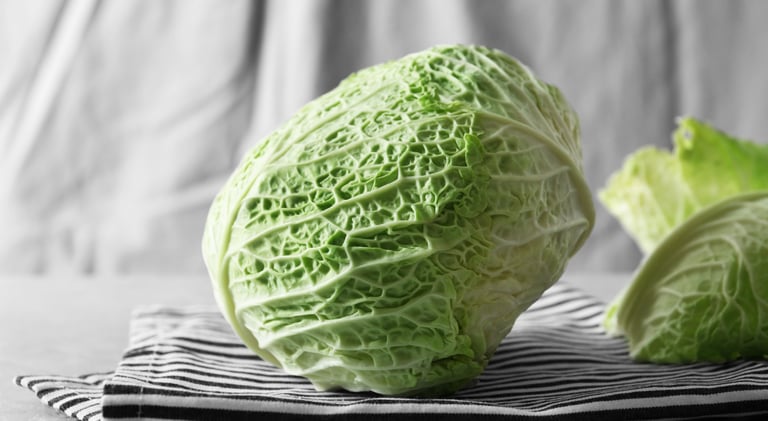
Recognizable by its crinkled, dark-green leaves, Savoy cabbage is tender and mild. Its delicate texture makes it ideal for wraps, stuffed cabbage rolls, or light sautés. It’s also a great choice for soups, as it softens without becoming mushy.
3. Savoy Cabbage
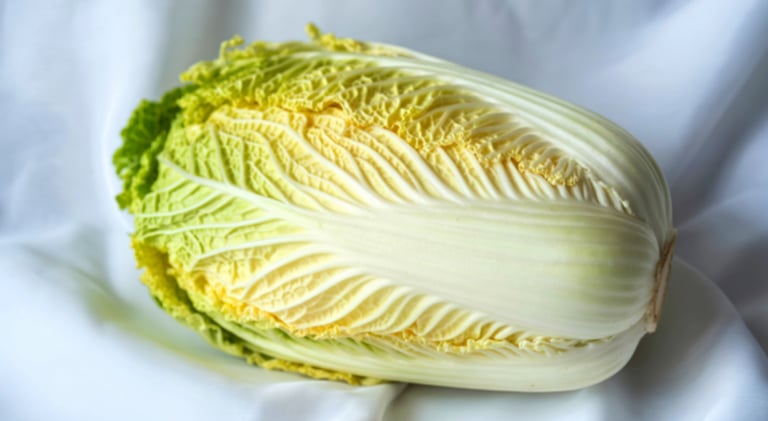
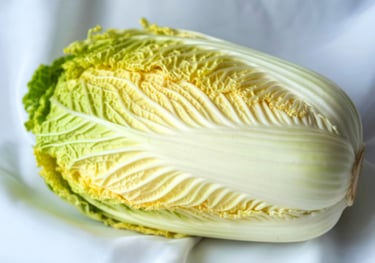
Also known as Chinese cabbage, Napa has long, pale-green leaves and a subtle sweetness. It’s a staple in Asian cuisine, used in dishes like kimchi, stir-fries, and dumpling fillings. Its crisp texture and mild flavor make it equally delicious raw or cooked.
5. Bok Choy
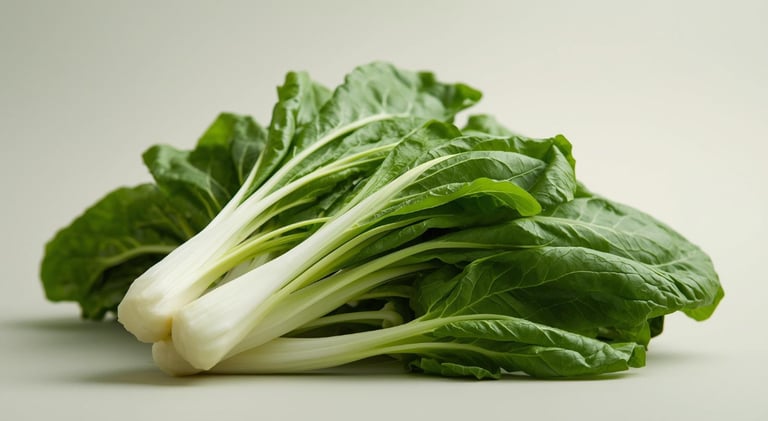
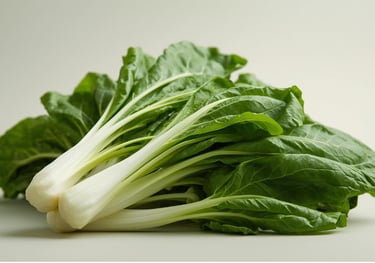
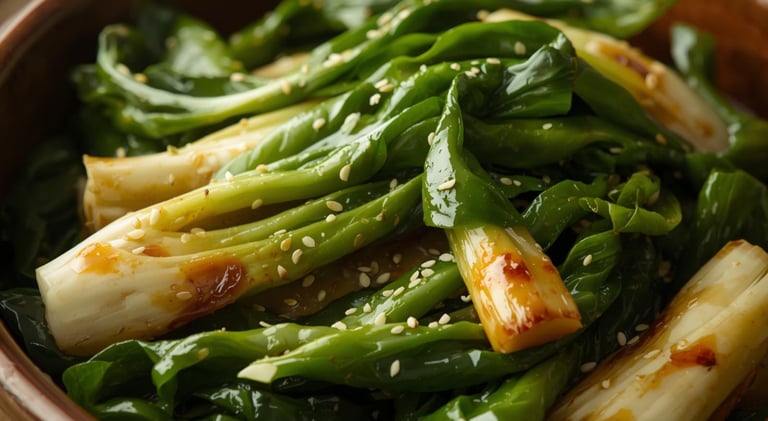
Technically a type of Chinese cabbage, Bok Choy features dark green leaves and white stalks. It’s tender, slightly peppery, and cooks quickly, making it perfect for stir-fries, soups, and noodle dishes. Baby Bok Choy, in particular, is prized for its delicate flavor and presentation.
Why Cabbage Is So Versatile
Adaptable Flavor
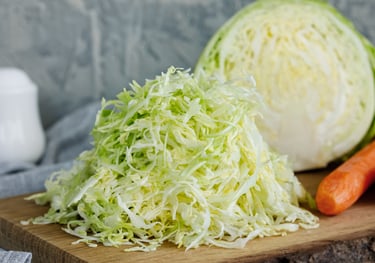
Cabbage has a mild base flavor that can shift depending on how it’s prepared. Raw, it’s crisp and refreshing; roasted, it becomes caramelized and nutty; fermented, it develops tangy complexity. This adaptability allows it to fit seamlessly into cuisines around the world.
Nutritional Powerhouse
Low in calories but rich in vitamins C and K, fiber, and antioxidants, cabbage supports digestion, immunity, and overall health. Its high-water content also makes it hydrating and satisfying. Additionally, cabbage stands out for its impressive shelf life compared to other leafy greens, remaining fresh in the refrigerator for weeks, which makes it a practical and dependable choice for everyday meals and meal planning. This remarkable durability not only helps minimize food waste but also ensures that you have a nutritious ingredient on hand whenever you need it, making cabbage an essential staple for households that value both health and convenience.
Long Shelf Life
Unlike many leafy greens, cabbage stores well for weeks in the refrigerator. This durability makes it a reliable ingredient for meal planning and reduces food waste.
Its ability to stay fresh for extended periods is especially helpful for busy households and anyone seeking to stretch their grocery budget. Whether tucked into the crisper or simply kept in a cool spot, cabbage remains ready to add nutrition and substance to meals whenever needed, contributing to its reputation as a budget-friendly and accessible staple for cooks of all skill levels.
Budget-Friendly and Accessible
Cabbage is inexpensive and widely available year-round. Its affordability makes it an excellent choice for families, home cooks, and anyone looking to eat well without overspending.
Beyond its budget-friendly appeal, cabbage’s accessibility ensures that cooks of all experience levels can enjoy its benefits, whether shopping at a local market or a major grocery store. Its hardiness and versatility mean it’s a staple in kitchens around the world, easily incorporated into recipes ranging from hearty stews to refreshing salads, and always ready to lend substance and nutrition without breaking the bank.
Bringing Cabbage to the Table
From classic coleslaw and sauerkraut to stir-fried Bok Choy and stuffed Savoy rolls, cabbage can take on countless forms. It can be the star of a dish or a subtle supporting ingredient, adding texture, flavor, and nutrition wherever it appears. Whether raw, cooked, or fermented, cabbage proves that simplicity and versatility often go hand in hand.
Stir-Fried Bok Choy
Ingredients
454g/1lb baby Bok Choy, trimmed and halved lengthwise
28g/2 tbsp vegetable oil
8g/3 cloves garlic, minced
14g/1 tbsp soy sauce
4g/1 tsp sesame oil
14g/1 tbsp oyster sauce (optional)
28g/2 tbsp water
Salt and pepper to taste
Sesame seeds for garnish (optional)
Instructions
Rinse Bok Choy thoroughly and drain well.
Heat vegetable oil in a large skillet or wok over medium-high heat.
Add minced garlic and stir-fry for 20–30 seconds until fragrant.
Add Bok Choy and stir-fry for 2–3 minutes until the leaves begin to wilt.
Pour in soy sauce, sesame oil, oyster sauce (if using), and water. Stir well to coat evenly.
Continue cooking for another 2–3 minutes until Bok Choy is tender but still crisp.
Season with salt and pepper to taste.
Transfer to a serving plate and sprinkle with sesame seeds if desired.
Serving Suggestion
Serve hot as a side dish with steamed rice or noodles.
Stuffed Savoy Cabbage Rolls


Ingredients
100g/8 large Savoy cabbage leaves
200g/1 cup cooked rice
300 g/ 2 cups ground beef or turkey (cooked)
150g/1 small onion, finely chopped
6g/2 cloves garlic, minced
50g/ 1 cup/1 carrot, grated
14g/1 tbsp tomato paste
4g/1 tsp paprika
Salt and pepper to taste
225g/1 cup tomato sauce
14g/1 tbsp olive oil
Fresh parsley for garnish
Instructions
Bring a large pot over medium high heat, of salted water to a boil. Blanch the cabbage leaves for 2–3 minutes until softened. Drain and set aside to cool.
In a large bowl, combine cooked rice, ground meat, onion, garlic, carrot, tomato paste, paprika, salt, and pepper. Mix until well combined.
Place a spoonful of filling in the center of each cabbage leaf. Fold the sides over and roll tightly to enclose the filling.
Heat olive oil in a large skillet or pot over medium heat. Arrange the rolls seam-side down. Pour tomato sauce over the top, cover, and simmer on low heat for 25–30 minutes.
Cut into smaller sections for serving if desired.
Garnish with fresh parsley and serve warm with crusty bread or mashed potatoes.
Finally
Cabbage isn’t just a side dish—it’s a culinary chameleon that deserves a permanent place in every kitchen.
With its ability to absorb flavors and transform into hearty rolls, savory stews, or vibrant salads, cabbage proves its versatility time and again. Whether you’re stuffing the tender leaves with a delicious mixture of rice, meat, and spices or simmering them in a rich tomato sauce, this humble vegetable brings comfort and depth to every bite. Elevate your next meal by showcasing cabbage as the star ingredient—it’s a testament to how simple ingredients can create extraordinary dishes. So, grab your favorite type of cabbage and head to the kitchen! You got this!
Acaiguy Cooks
Explore recipes and tips for home cooking.
© 2026. All rights reserved.
Questions, comments, suggestions? We would like to hear from you!