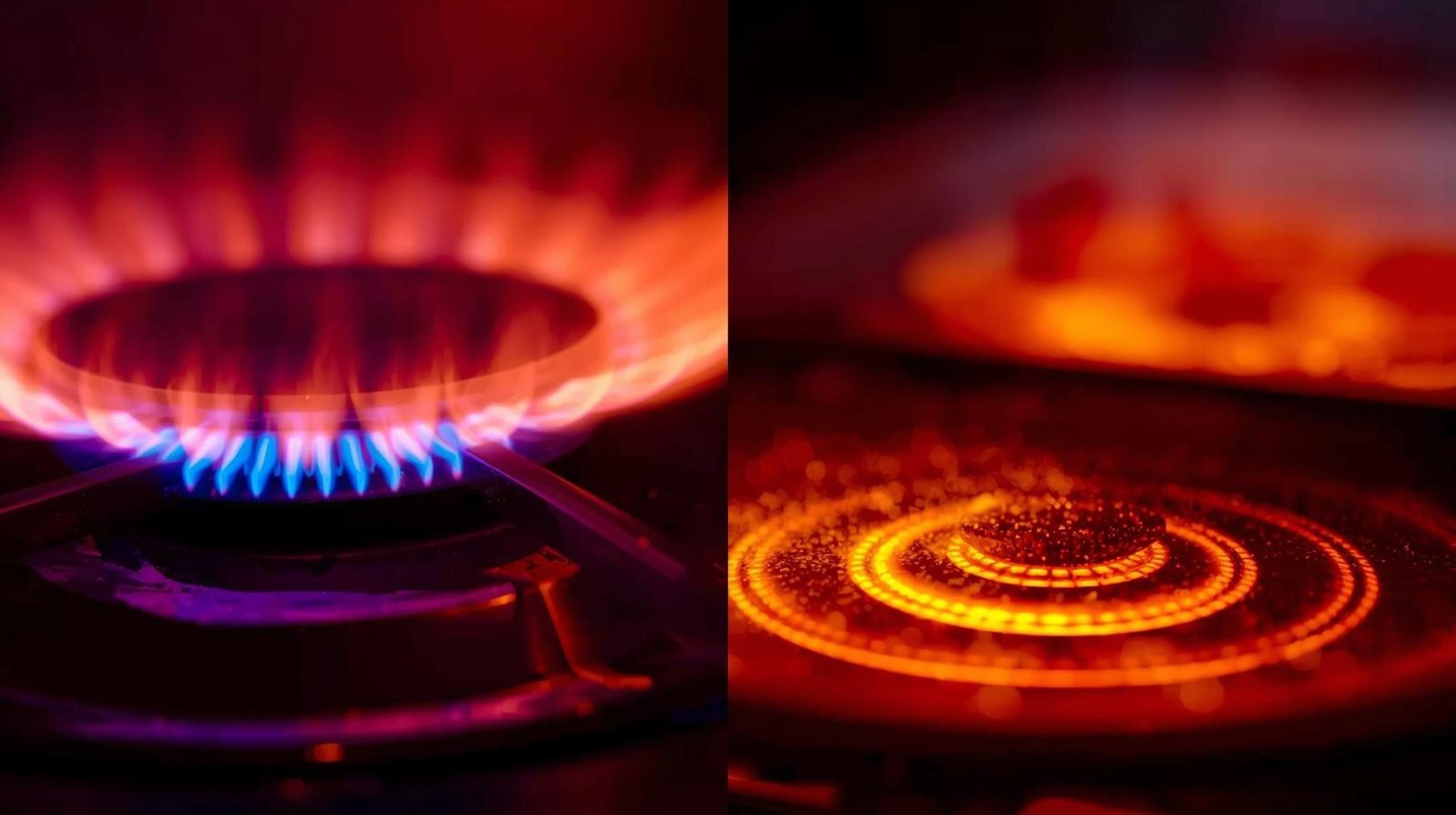
The Heat Is On: How Heat Sources Shape Your Cooking Outcomes
When it comes to cooking, heat is more than just a means to an end — it’s the invisible and vital hand that shapes flavor, texture, and even nutrition. Whether you're searing a steak, baking a cake, or simmering a stew, the type of heat source you use can dramatically influence the final result. Let’s unpack how different heat sources affect your cooking outcomes and how to utilize them like a pro.
11/5/20257 min read
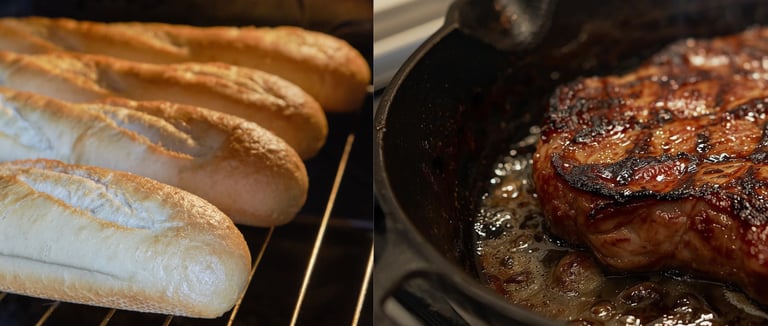
In cooking, heat serves as an essential element that determines flavor, texture, and nutritional value. Whether searing a steak, baking a cake, or simmering a stew, the choice of heat source significantly impacts the outcome. In this blog we will take a look at how various heat sources affect cooking results and provide strategies for their effective utilization.
Direct vs. Indirect Heat
In cooking, understanding the difference between direct and indirect heat is key to mastering various techniques and achieving desired results.
Direct heat refers to cooking food directly over a heat source, such as a flame, burner, or hot coals. It’s fast and intense, ideal for searing, grilling, or sautéing. Foods like steaks, burgers, and vegetables benefit from direct heat because it creates a flavorful crust through caramelization and the Maillard reaction. The high temperature cooks the exterior quickly, often leaving the inside juicy and tender.
Indirect heat, on the other hand, involves cooking food near—but not directly over—the heat source. This method is gentler and slower, perfect for roasting, baking, or smoking. Heat circulates around the food, cooking it evenly without burning the surface. Indirect heat is ideal for larger cuts of meat like whole chickens or briskets, which need time to cook through without drying out.
Grills and ovens often use both methods. For example, you might sear a steak over direct heat, then move it to indirect heat to finish cooking. Knowing when to use each allows you to control texture, flavor, and doneness — making your cooking more versatile and precise.
Gas, Electric, and Induction: What’s the Difference?
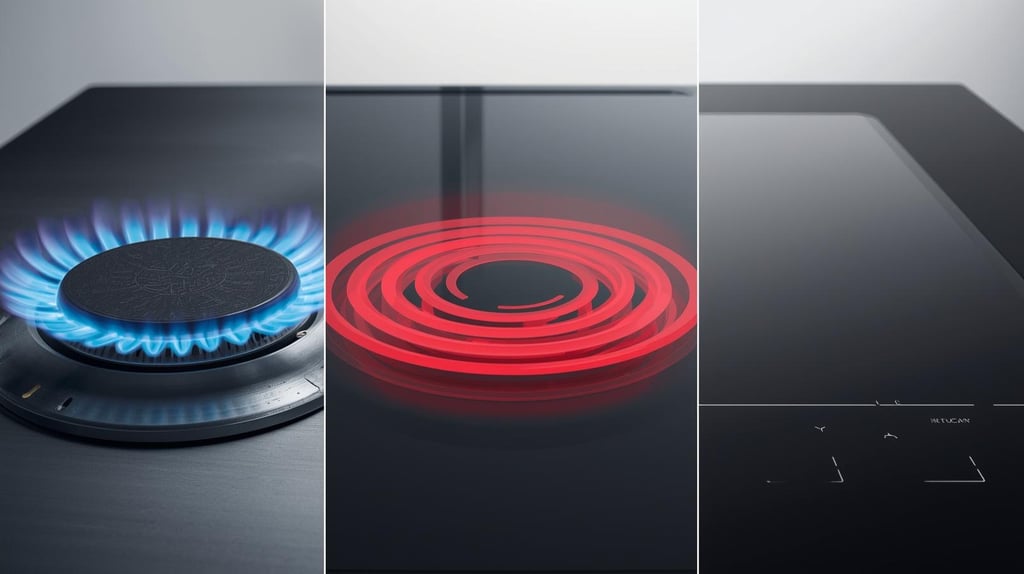
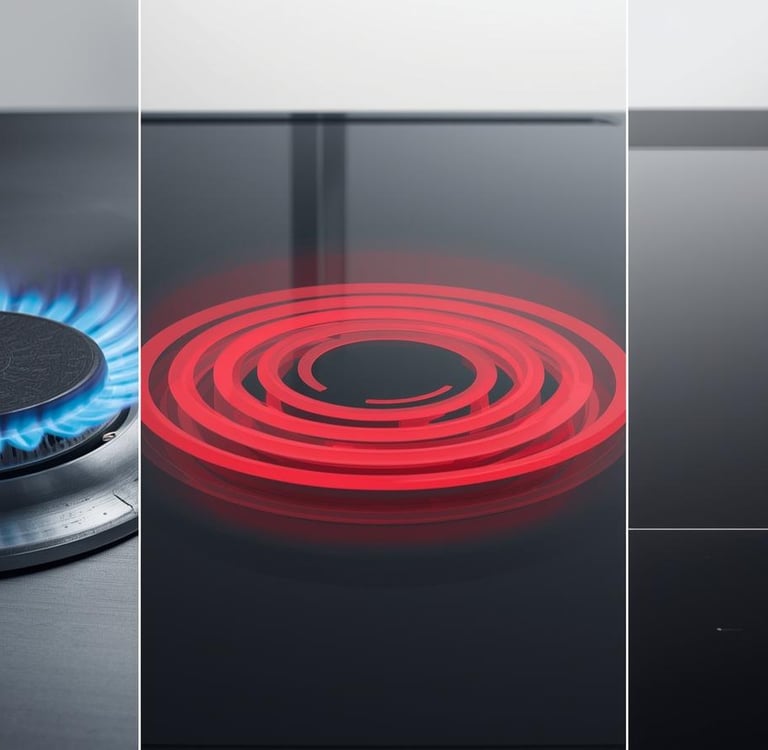
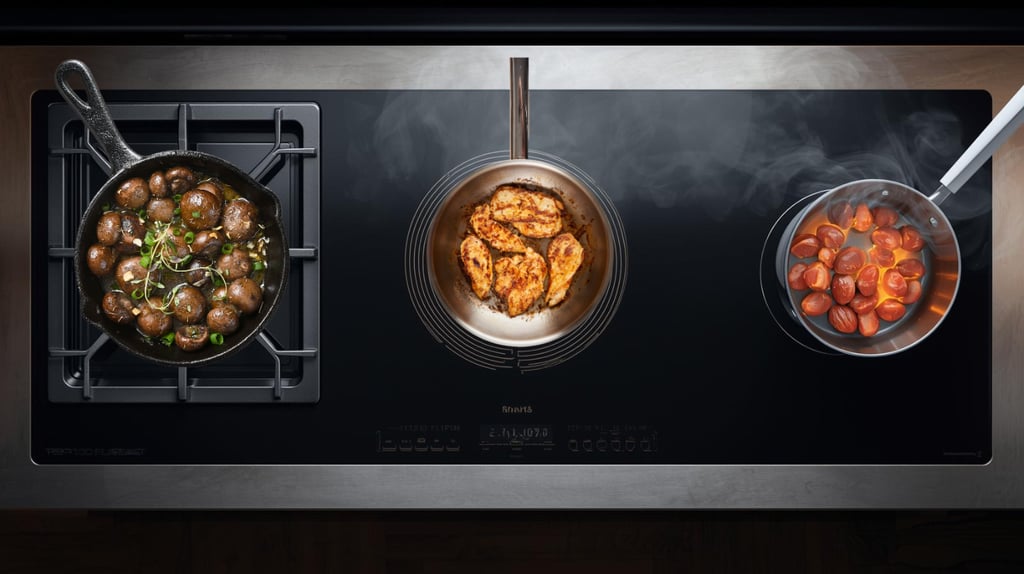
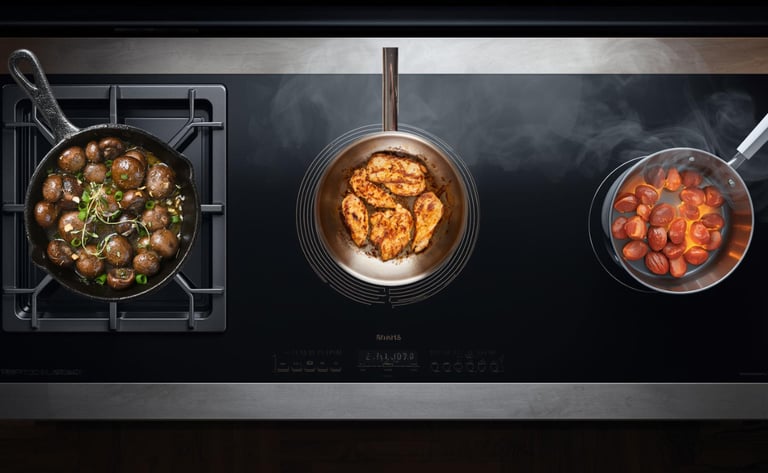
Gas offers instant, visible heat and precise control. It’s great for chefs who like to “feel” their cooking. Gas burners offer immediate ignition as gas burners light instantly, eliminating the wait time associated with electric coils or induction surfaces. The flame itself provides a clear visual cue of heat intensity. Chefs can literally see the power they're working with, adjusting the flame height to match the cooking need. When you turn the knob, the heat changes immediately. There's no delay in heating up or cooling down, which is crucial for techniques like sautéing or simmering.
Electric provides steady, even heat but takes longer to adjust. Ideal for baking and simmering. Electric coils or radiant glass tops distribute heat evenly across the cooking surface for uniform surface heating, minimizing hot spots and ensuring consistent results. Stable temperature maintenance is achieved once an electric burner or oven reaches the desired temperature, maintaining its reliably — perfect for recipes that require sustained, gentle heat. Unlike gas, which can fluctuate slightly with airflow or burner inconsistencies, electric heat remains constant ensuring predictable performance, making it easier to follow recipes precisely.
Induction cooking is a marvel of modern kitchen technology, blending science with culinary finesse. Induction uses magnetic fields to heat cookware directly. It’s fast, energy-efficient, and incredibly responsive — perfect for precision cooking. Induction cooktops use electromagnetic fields to generate heat inside the cookware itself — not on the cooktop surface. Cookware is a heat source, and only ferrous (magnetic) pots and pans work with induction. The cooktop creates a magnetic field that excites the metal molecules in the pan, producing heat directly within the cookware. Since the cooktop surface doesn’t get hot (except from residual pan heat), it stays relatively cool to the touch — reducing burn risk and making cleanup easier.
Each cooking method—gas, electric, and induction—has its own unique strengths and quirks. Understanding how they behave under different conditions empowers you to tailor your technique accordingly, whether you're searing, simmering, baking, or boiling. By recognizing the responsiveness of gas, the stability of electric, and the precision of induction, you can make smarter choices in the kitchen, enhance your control over the cooking process, and ultimately elevate the quality and consistency of your dishes.
Heat Intensity and Cooking Results
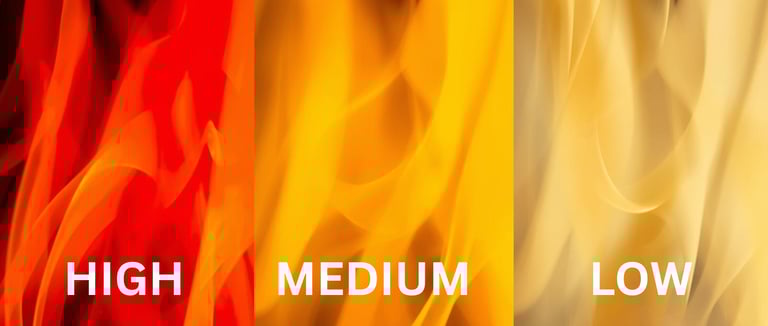
The intensity of your heat source matters just as much as the type:
High heat caramelizes sugars and browns proteins — think crispy skin and golden crusts. High temperatures trigger two key chemical reactions that transform food from pale and bland to richly flavored and visually appealing:
Caramelization occurs when sugars are exposed to high heat (typically above 320°F / 160°C), they break down and reorganize into hundreds of new flavor compounds. This process creates deep, complex flavors — nutty, sweet, slightly bitter — and gives food a rich golden to amber color. Roasted vegetables, seared fruits, and glazes all benefit from caramelization. Think of the browned edges of roasted carrots or the crisp top of Crème Brulé.
Maillard Reaction ( browning of proteins) is a reaction between amino acids (from proteins) and reducing sugars that occur around 300°F / 150°C. This reaction produces savory, umami-rich flavors and a browned, crusty exterior on the protein. It's responsible for the irresistible aroma of grilled meat, toasted bread, and roasted coffee.
The Milliard reaction is evident when searing steaks, browning chicken skin, baking bread — anywhere you want that golden, flavorful crust. High heat renders fat and crisps the chicken skin, while Maillard browning adds flavor and color. In baking, the outer layer of dough undergoes both caramelization and Maillard reactions, creating a crunchy, flavorful shell on the finished baked bread. A hot pan creates a crust on the seared steak that locks in juices and adds a savory depth that raw meat simply can’t match.
High Heat is essential is essential for flavor development, texture contract and visual appeal of your final dish. These reactions are essential for building layers of taste. Without them, food can taste flat or underwhelming. High heat creates crispy exteriors while preserving tender interiors — a hallmark of great cooking. That golden-brown color signals deliciousness and craftsmanship, making food more appetizing
Medium heat is the sweet spot for many everyday cooking techniques, especially sautéing and pan-frying. It provides enough energy to cook food thoroughly and develop flavor without burning or overcooking.
When sautéing, medium heat strikes the perfect balance between intensity and control. It allows vegetables to soften slowly, coaxing out their natural sugars and enhancing their inherent flavors without scorching. As they cook, onions become sweet and translucent, peppers develop a mellow richness, and mushrooms release their earthy aroma — all contributing to a deeply flavorful base for dishes like stir-fries, sauces, and soups. This gradual transformation builds complexity and depth, setting the stage for layers of taste.
For pan-frying, medium heat ensures that the exterior of foods like chicken cutlets, fish fillets, or fritters turn golden and crisp without scorching. It’s ideal for cooking items that need a few minutes per side — hot enough to sizzle, but not so intense that the oil smokes or the food chars before it’s done.
Medium heat also works wonders with proteins. It gives chicken, fish, or tofu time to brown gently, forming a golden crust that locks in moisture and adds a satisfying texture. Rather than rushing the process, this steady heat ensures the exterior crisps up beautifully while the interior remains tender and juicy. The Maillard reaction — responsible for that savory, browned flavor — unfolds more evenly at medium heat, preventing burning and bitterness.
The Medium range in temperature offers versatility and forgiveness, making it ideal for multitasking and experimenting. Whether you're deglazing a pan, adding aromatics, or finishing with a splash of wine, medium heat keeps you in control, allowing flavors to develop naturally and ingredients to shine. It’s the quiet hero of everyday cooking.
Low heat is the foundation of gentle, controlled cooking — a technique that prioritizes finesse over speed. It’s essential when working with delicate ingredients or processes that require gradual temperature changes to preserve texture, flavor, and stability. For example, melting chocolate over low heat prevents it from seizing or burning, ensuring a smooth, glossy finish ideal for ganache, glazes, or dipping.
Poaching eggs is another classic low-heat task. The water should barely quiver, allowing the egg whites to set tenderly around the yolk without becoming rubbery or overcooked. This gentle environment preserves the egg’s shape and delivers a silky, restaurant-quality result.
Simmering sauces — whether tomato-based, creamy, or reduction-style — benefits immensely from low heat. It allows flavors to meld slowly, acids to mellow, and textures to develop without scorching or curdling. A slow simmer also helps proteins like collagen break down in stocks or stews, creating rich, velvety results.
Low heat gives you control and forgiveness. It’s ideal for multitasking, experimenting, or cooking in stages. Whether you're crafting a custard, infusing oils, or gently reheating leftovers, low heat protects your ingredients and elevates your technique — proving that patience in the kitchen often leads to the most rewarding flavors.
Consistency Is Key
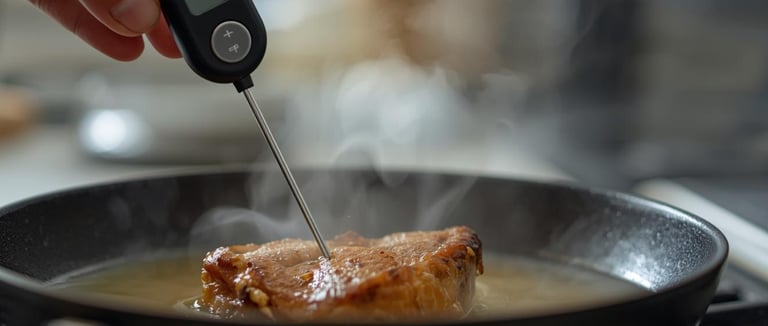
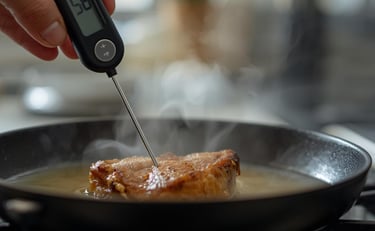
Some heat sources fluctuate more than others. Too much heat can dry out or burn food; too little might leave it undercooked or mushy. Gas stoves can have hot spots, while electric ovens may cycle on and off. That’s why rotating pans, using thermometers, and preheating properly can make all the difference. Mastering heat control is the secret sauce of great cooking.
Final Thoughts
Understanding your heat source is like learning the personality of a dance partner — once you’re in sync, the results are magical. So next time you’re in the kitchen, don’t just turn up the heat — tune in to it. Your taste buds will thank you. You got this!
Acaiguy Cooks
Explore recipes and tips for home cooking.
© 2026. All rights reserved.
Questions, comments, suggestions? We would like to hear from you!