The Art of Choosing Fresh Berries for Great Summer Desserts
Great summer desserts start with great berries. Even flawless pastry cream or crust can’t save fruit that’s bland, mushy, or overripe. After years of cooking with seasonal produce, I know how to choose berries that make tarts, cobblers, crisps, and shortcakes shine.
6/27/20264 min read

Look Before You Touch
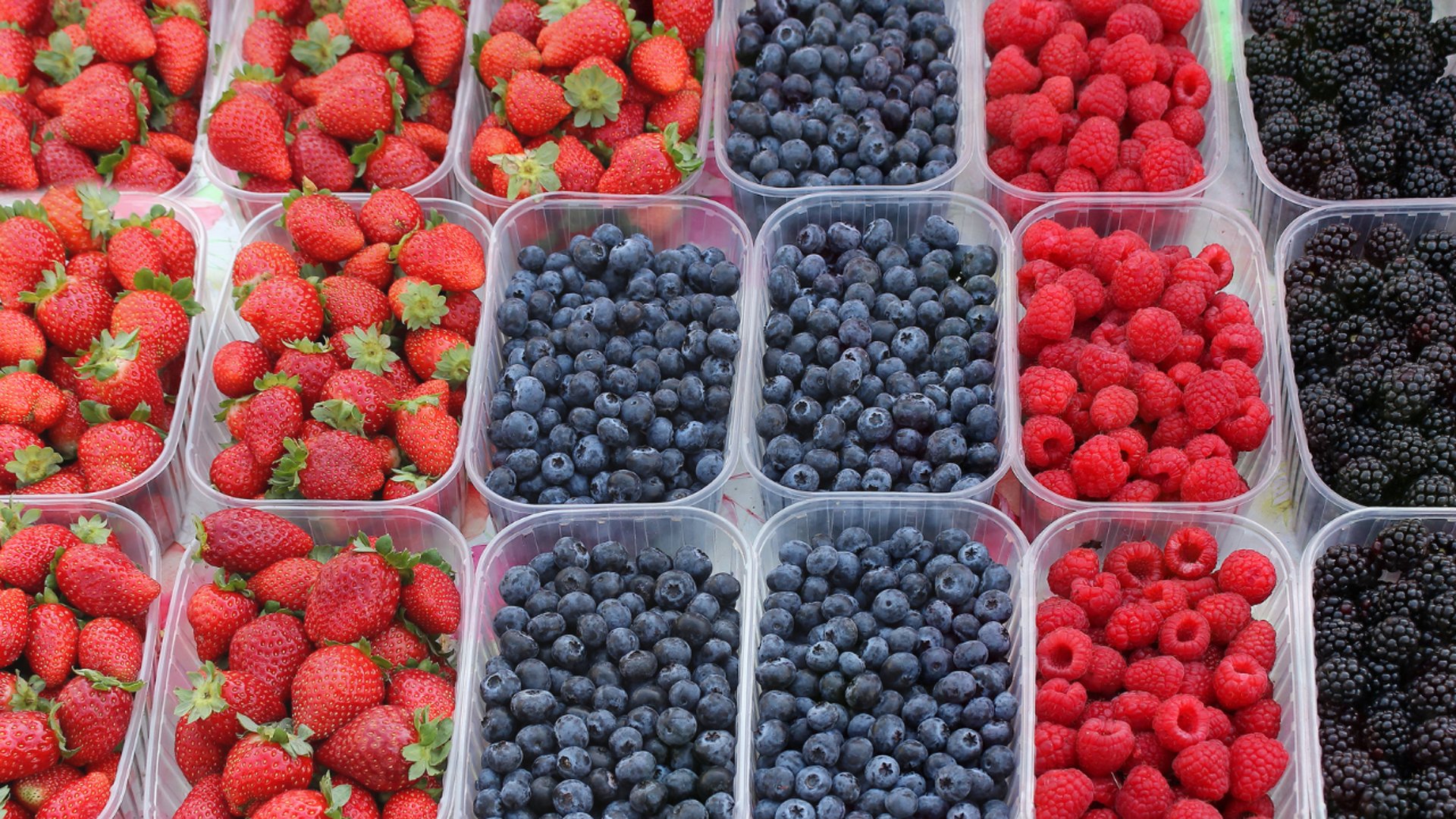
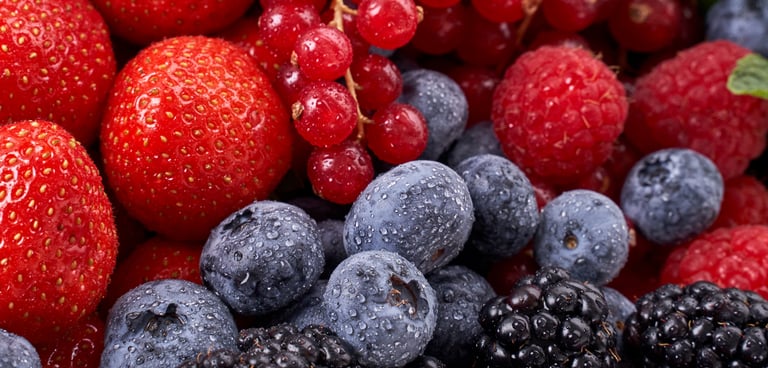
Color tells you almost everything. Strawberries should be uniformly deep red with no white shoulders near the stem. Blueberries need that dusty, silvery bloom on the skin, a natural coating that signals freshness. Raspberries and blackberries should look plump and matte, never shiny or wet, which usually means they are already breaking down.
Berries don’t ripen once they’re picked, so the color they have in the store is the flavor you’re going to get at home. If the berries look pale, patchy, or shiny instead of matte, they’re probably underripe or past their prime.
The success of a summer dessert often comes down to the berries. Even the best pastry cream or perfectly baked crust can fall flat if the fruit is bland, mushy, or past its prime. After years of building recipes around seasonal produce, I’ve learned what to look for when choosing berries that make tarts, cobblers, crisps, and shortcakes and other sweet treats truly shine.
Use Your Hands: Texture Reveals Freshness
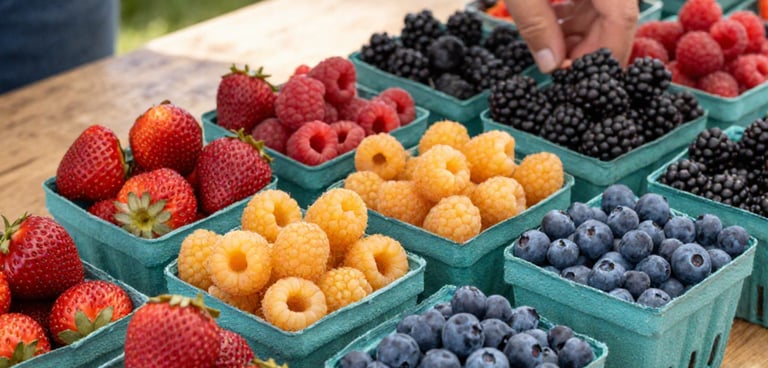
A gentle shake can tell you a lot about berry texture and ripeness. Look for berries that hold their shape but still seem tender. Use these cues as a quick guide: firm berries that rattle around may be underripe, while berries that slump, leak, or collapse into one another are likely overripe. The best berries sit in the middle: intact, plump, and delicate without being mushy.
Use Your Nose: Smell Is the Secret Weapon
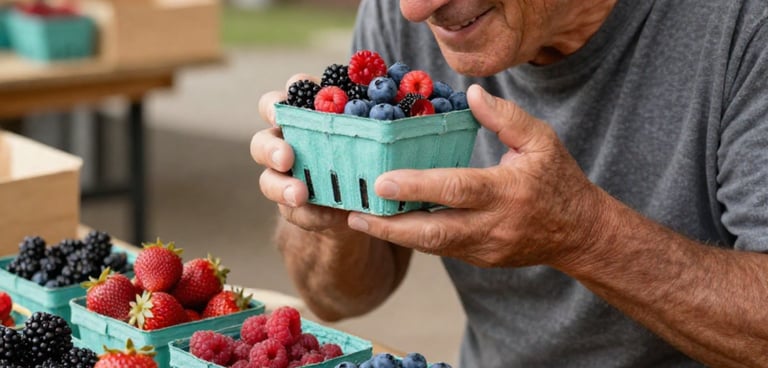
Fresh berries smell like… well, summer. If you pick up a carton of strawberries and they don’t smell like anything, they won’t taste like much either. No scent usually means no flavor. Ripe berries have a sweet, fragrant aroma right through the packaging. Raspberries and blackberries should have a fragrant, almost floral aroma. Blueberries are subtler, but even they should have a light sweetness to them.
Check the Bottom of the Container
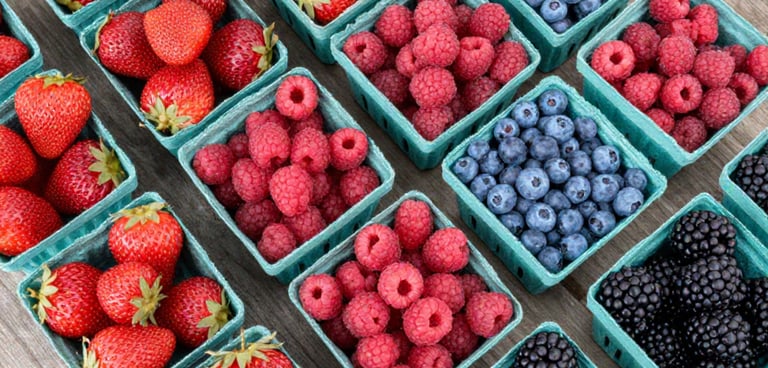
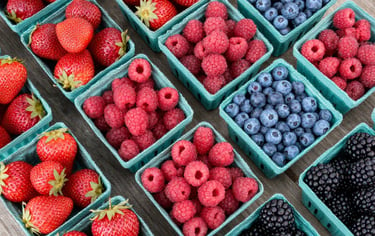
Flip the clamshell over. If you see juice stains or crushed berries at the bottom, move on. That moisture accelerates mold and means the fruit has been sitting too long or was stacked carelessly. A dry, clean bottom is a green light.
Size Matters Less Than You Think
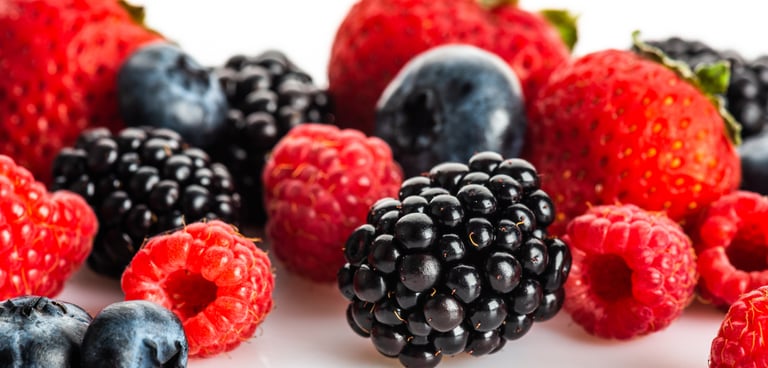
Bigger is not better with berries. Oversized strawberries are often watery and hollow inside. Medium-sized fruit tends to pack more concentrated sweetness. With blueberries, a mix of sizes in the container is perfectly normal and usually means they were hand-picked rather than machine harvested.
Seasonal Timing Is Everything
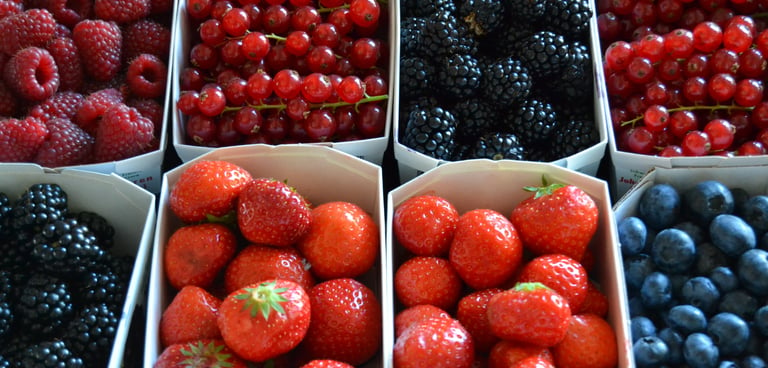
Strawberries peak in late spring through early summer. Blueberries hit their stride in July. Raspberries and blackberries follow in mid to late summer. Buying in season means better flavor, lower prices, and fruit that has not traveled thousands of miles in a refrigerated truck. Farmers markets are your best bet for peak-season berries picked that morning.
Storage Tips Once You Get Home
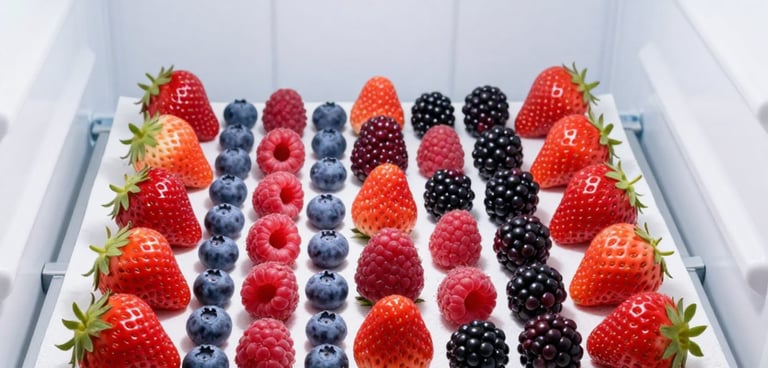
Avoid washing berries until you are ready to use them. Moisture is the enemy of shelf life. Spread them in a single layer on a paper-towel-lined container and refrigerate uncovered. This keeps air circulating and prevents the bottom berries from getting crushed. Used within two days, they will taste almost as good as the moment you brought them home.
Choose the Right Berry for the Right Dessert
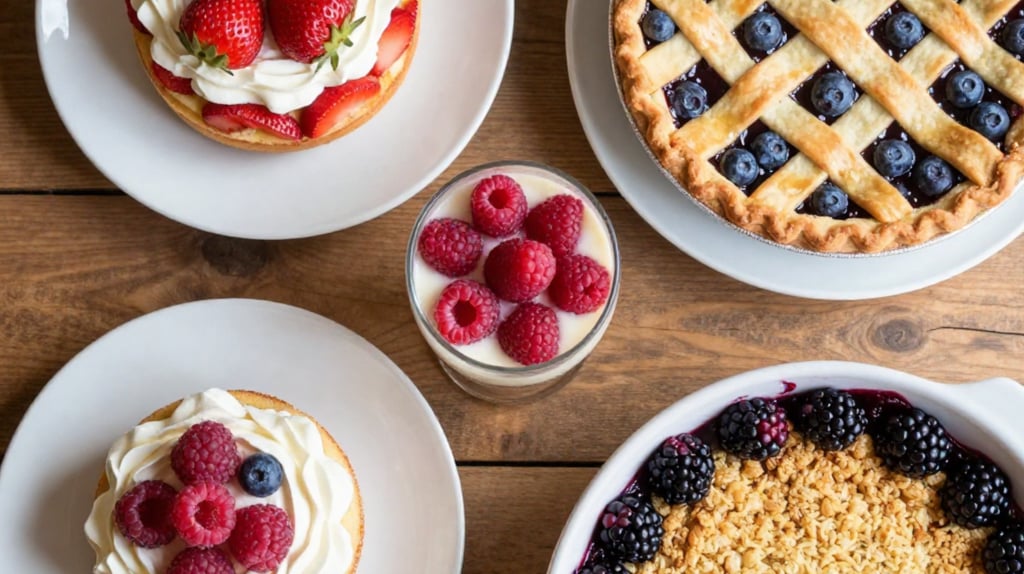
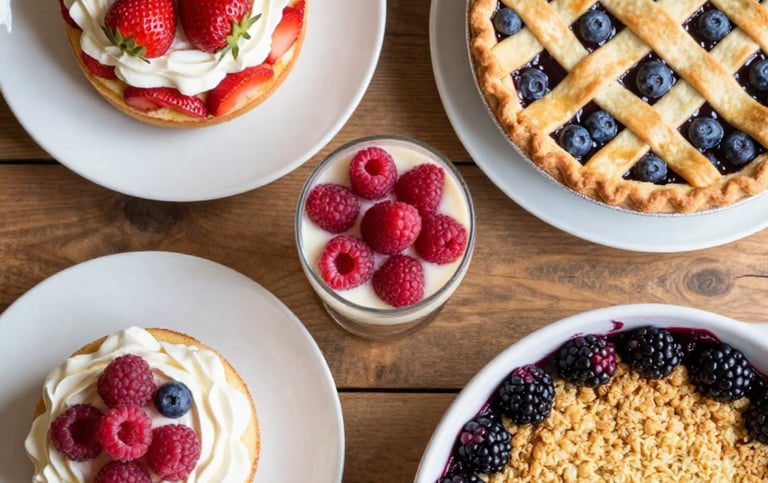
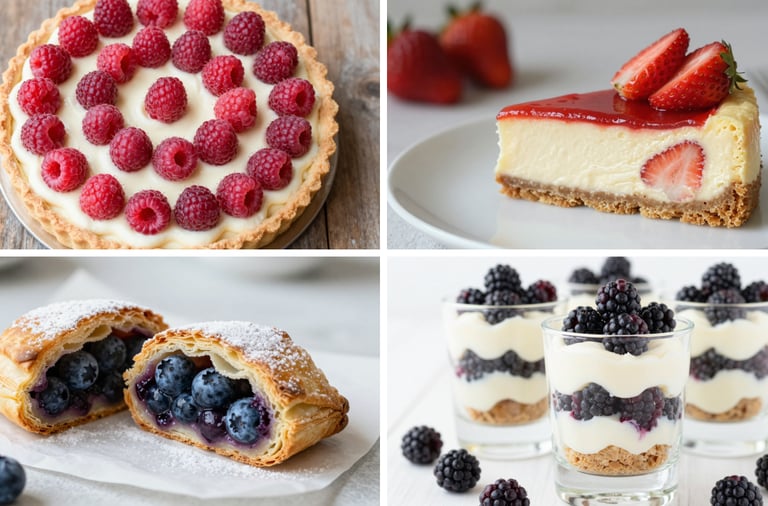
Choosing the right berries can turn a simple summer dessert into something truly memorable. Fresh, flavorful berries bring bright color, natural sweetness, and the perfect balance of texture to every bite.
Some berries shine fresh; others transform when cooked.
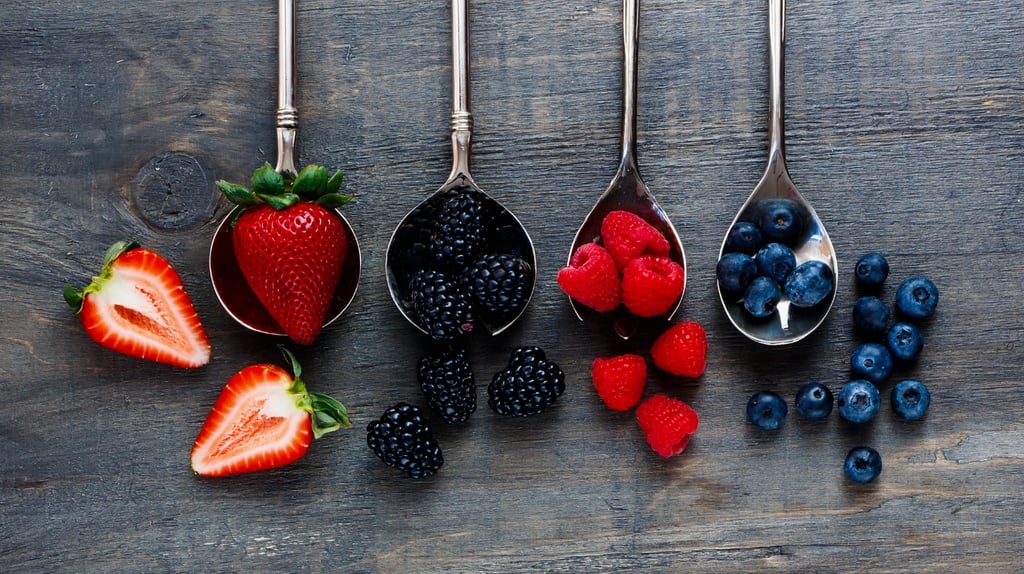
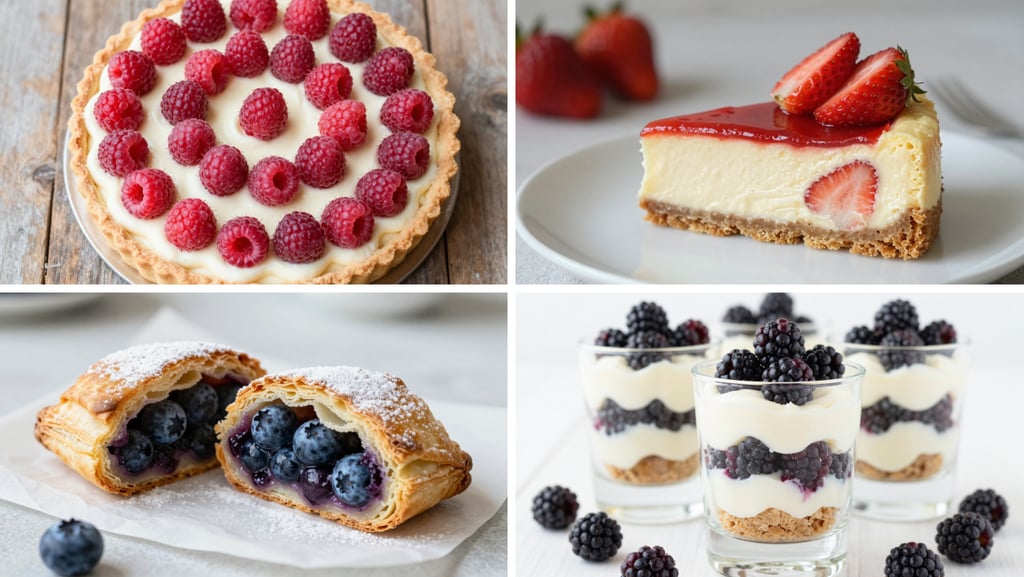
• Strawberries are perfect raw—think shortcake or fresh tarts.
• Blueberries burst beautifully in pies and crisps.
• Raspberries add bright acidity to creamy desserts.
• Blackberries mellow into deep, jammy richness when baked. They are great for cobblers, crisps, and crumbles.
When you match each berry to the dessert that brings out its best qualities, the result feels more thoughtful and balanced. Fresh berries add brightness and freshness, while baked berries create deeper, jammy flavors that make summer desserts feel especially satisfying.
Key Takeaways
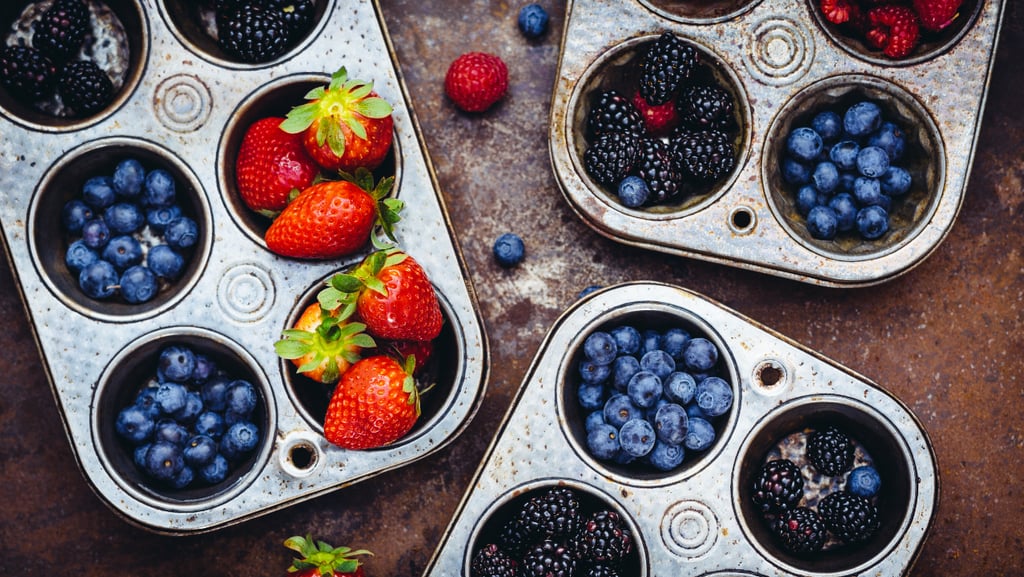

Color — Look for vibrant, even color and a firm texture.
Quality — Avoid berries with mold, bruising, or soft spots.
Container — Check the bottom for staining that may signal damaged fruit.
Aroma — Smell for a fresh, sweet scent before buying.
Seasonality — Buy berries in season for the best flavor and sweetness.
With these simple tips in mind, you can choose berries that shine in pies, shortcakes, parfaits, and more. A little care at the market makes a big difference, helping your summer desserts taste fresher, brighter, and more delicious.
When you choose berries with care, your summer desserts don’t just taste good, they taste alive. They taste like warm afternoons, like picnics, like the best parts of the season. And that’s the magic of fresh fruit: it turns simple recipes into something unforgettable.
Check out my Fresh Berry Treats playlist on YouTube. So, head to the market or famer’s market. It’s your turn to create the perfect berry dessert. And remember, you got this! Acaiguy Cooks
Acaiguy Cooks
Explore recipes and tips for home cooking.
© 2026. All rights reserved.
Questions, comments, suggestions? We would like to hear from you!